Tuesday, August 10, 2021

Weeding the garden is like fly fishing


It's all about touch.  And patience.  And perseverance.  Once you've connected with your target, the finessing begins.  Pull hard enough to accomplish your goal, but not enough to part the connection.  If there is a stalemate, apply patience and wait for an opening.  If necessary, vary the angle of force.  Wobble it a little for a shift in your favor.  Feel the tension.  Continue the steady pressure.  Don't be discouraged by the occasional failure.  There is always the next weed/fish.  Lose yourself in it.  Zen.


Saturday, August 7, 2021

The motorhome


Our car is very efficient.  We'd rather have an electric car, but trading in the efficient car we already have for a Tesla sedan doesn't come anywhere close to making financial sense.  (As a solution to that dilemma, we bought a share of Tesla stock and called it good.)


We watch for ways to minimize air conditioning.  Any water our yard needs is delivered by an efficient drip system.  We have a type of grass lawn (St. Augustine) that doesn't require supplemental water.  What we haven't been able to do anything about is the motorhome.  It's a big diesel-powered thing pushing itself down the road with just the two of us in it.  When we were living in the motorhome full-time, we could go through justifications/rationalizations about how much less of an environmental footprint we had by not being in a house with higher heating/air conditioning, infrastructure, and yard requirements; and how much time we spent stationary, to offset the times we were actually driving it and burning diesel.


Now, we're watching electrification take over the auto industry.  It could be mostly electrified in a decade.  The airline industry appears to be way behind the modernization curve, but I know there are companies working on short-flight electric solutions.  Hopefully the trucking and delivery industries will find short-haul solutions for vehicles that can return to home base for recharging every night, and keep working on long-haul solutions.


Meanwhile, we're hoping for technological advances to trickle down to the RV Industry; some way to, at the least, provide a more carbon-neutral boost to the steady beat of that diesel engine when we actually are driving.  (I'm thinking maybe at a minimum, regenerative braking that stores energy until there is an opportunity to feed it back in the form of an acceleration boost; a little bit of hybrid technology.)  Electric cars tend to put a motor at each drive wheel.  Providing multiple sources of power, internal combustion or electric motors, to the drive wheels of a bus might be pretty expensive but maybe there could be a way to minimize the extra cost with just a single separate electric motor that operates right on the drive shaft.  That's it.  Automatically clutch out of the loop until it's time to engage and help with the drive train that's already there.  Maybe I should invent that after-market technology.


Just thinking


We're told cosmologists can see to the edge of the cosmic horizon 46 billion lightyears away, in every direction.  That is the farthest we can see, because looking out across the universe is looking back in time.  One might think that means that the universe is 46 billion years old, but no.  In round numbers, the universe is determined to be 14 billion years old.  My first thought would be that we couldn't look back more than 14 billion years, past the big bang, but given the expansion of space since then, that stuff is now 46 billion lightyears away.


The universe is constantly expanding in every direction from where we are.  No matter where we were in the universe, if we could move ourselves about for observational purposes, the universe would still be expanding in every direction, and the cosmic horizon would still be 46 billion lightyears away in every direction.  There is no center point.  The big bang didn't start at one point and expand from there, the entire universe expanded equally.  The universe is the same no matter where we observe it from.


I can say the words, and kind of understand them, but the grasp is tenuous.  I'm still working on it.


Friday, August 6, 2021

Along the way


(Previous trip)


Thursday, August 5, 2021

Yard trimmings


We don't have a very big yard, but an hour of trimming trees, shrubs, and palms can fill up half a dozen of these big paper yard bags.
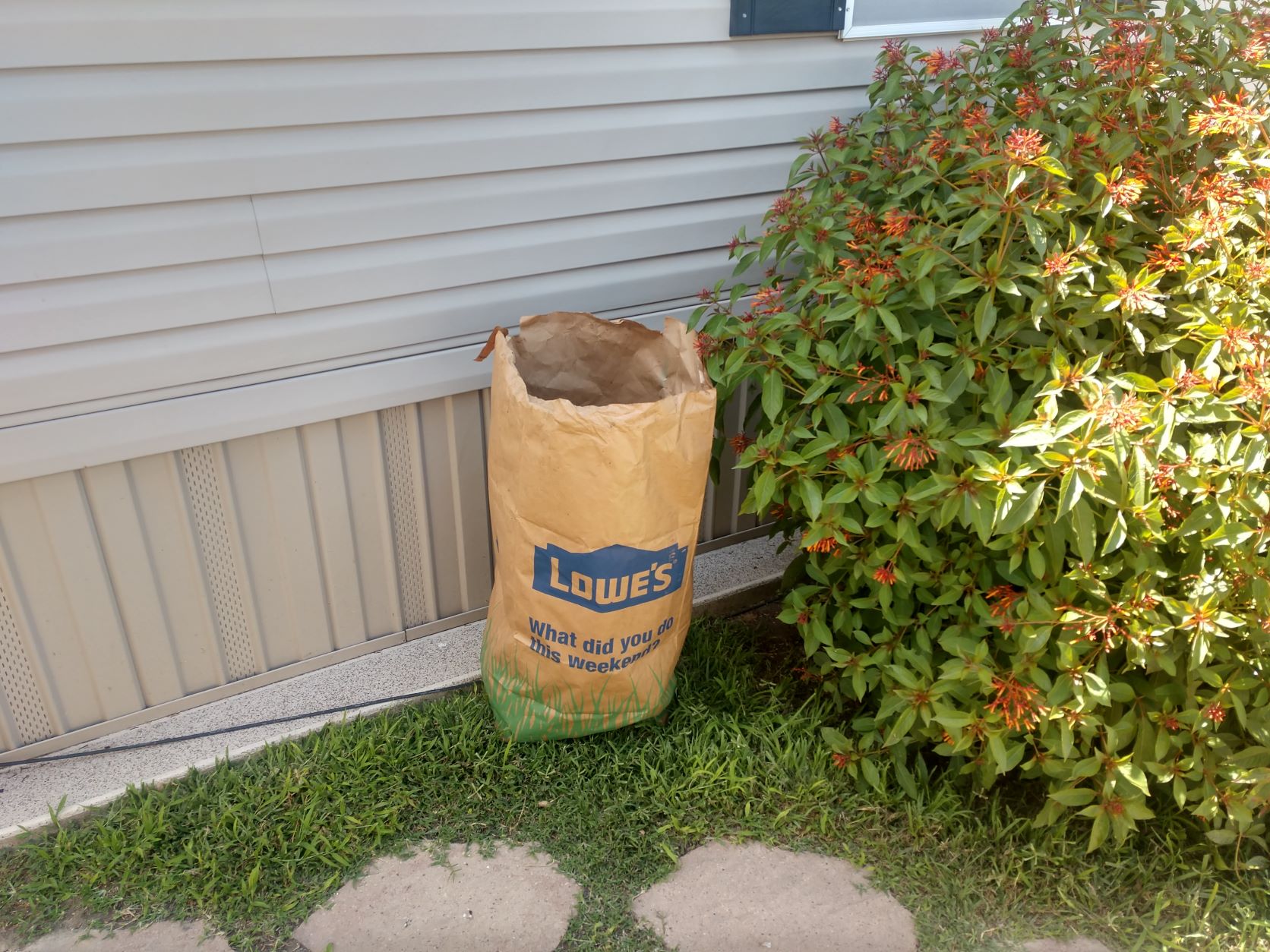
 

These bags seem like a good idea, because they're not plastic; they and the contents could be recycled or composted.  There isn't a facility for that in the Valley though, so these yard bags go into the dumpster with everything else and then into the landfill.  Until now.


Now, we have an electric shredder/mulcher that can handle all our branches and palm fronds.
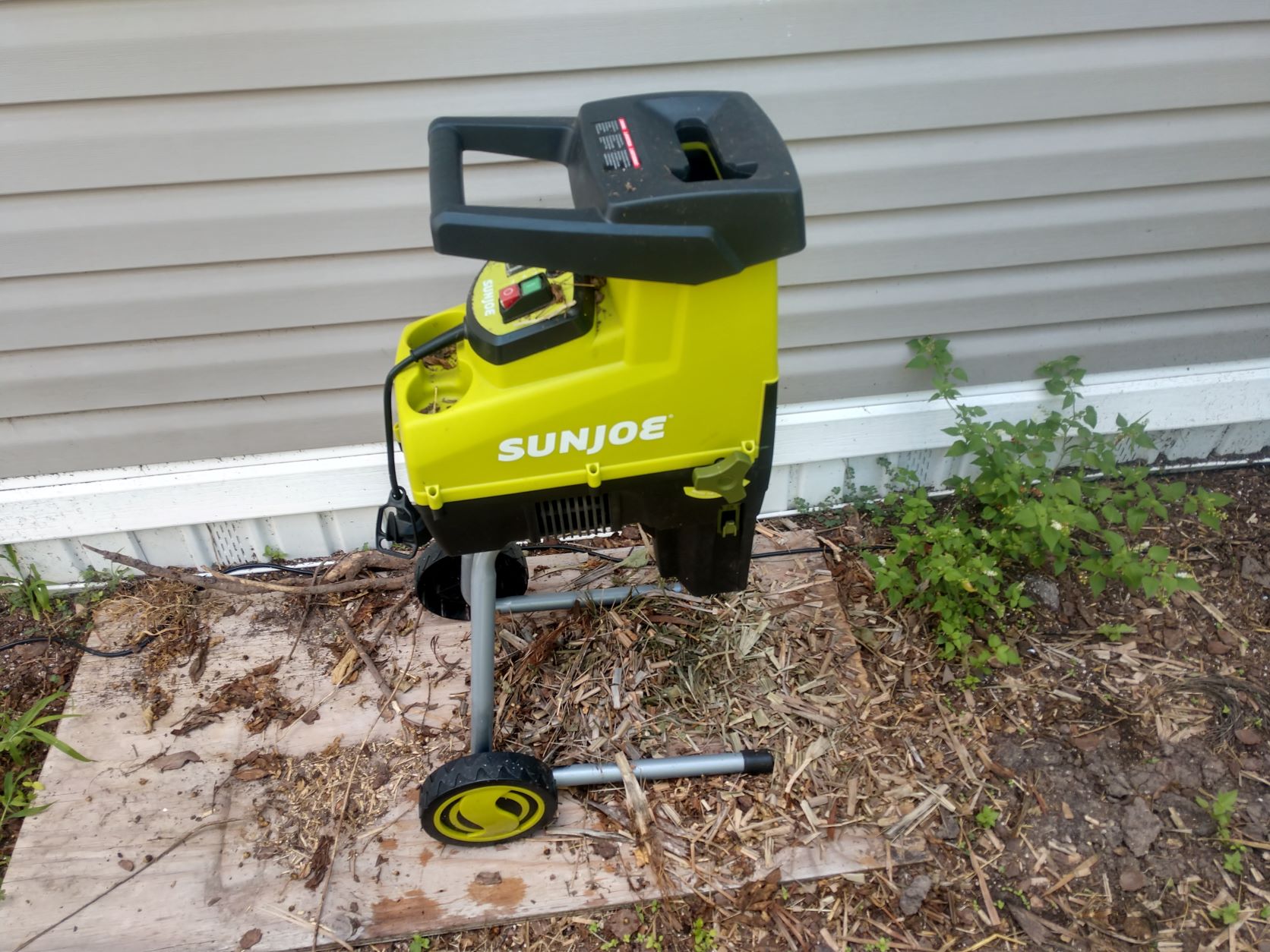
 

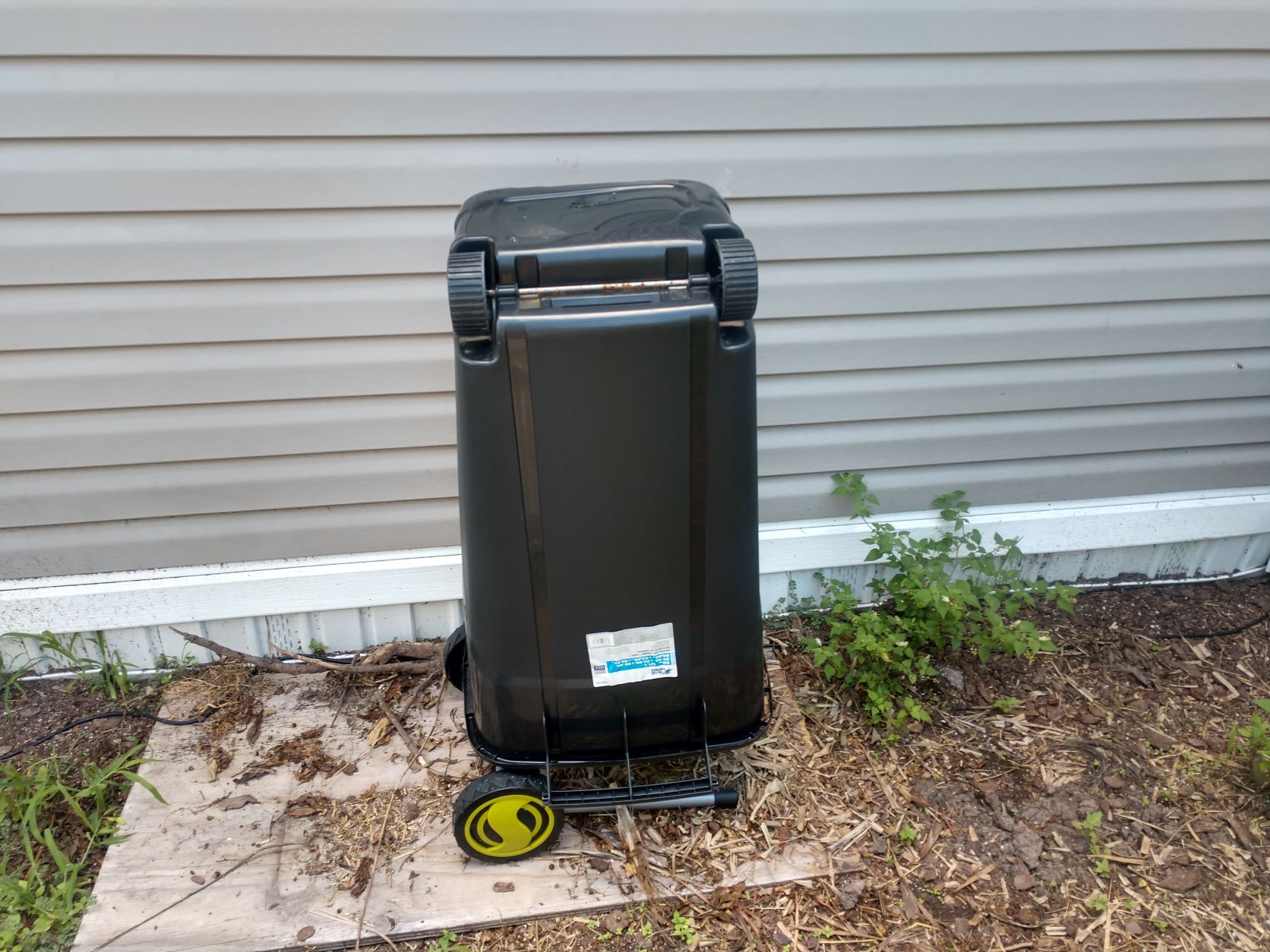
They blow right through and become shreds that can be composted.  When we're through for the day, the bin we haul around the yard to collect trimmings doubles as a portable shed.
 

Did someone say composter?
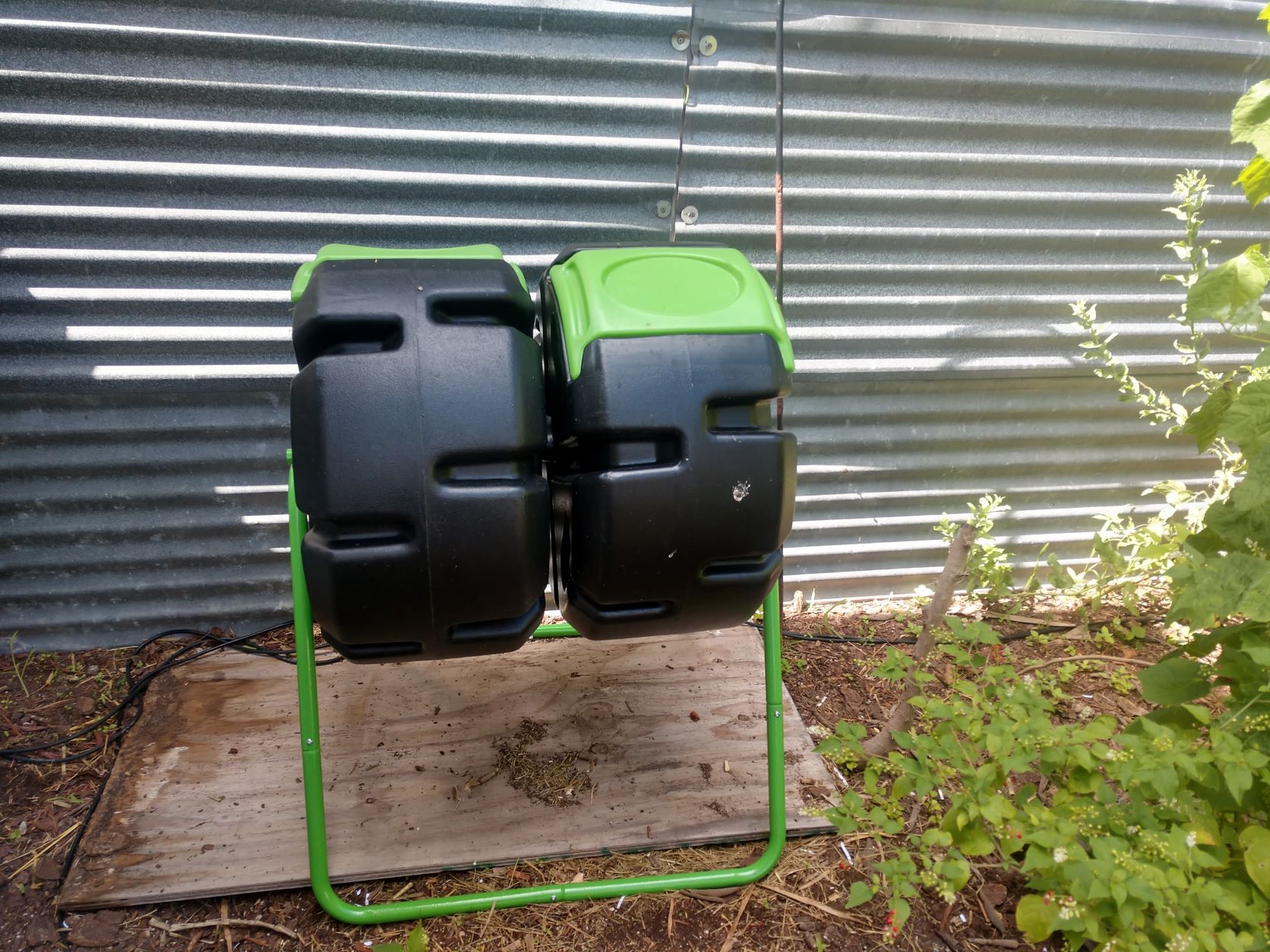
 

We have this two bin tumbling composter.  Slide open the green door and throw all the chopped up compostables, including kitchen uncooked vegetable scraps, egg shells, potato peels, apple cores, banana peels, and coffee grounds into one bin until it's full, then let it finish for a few weeks while you start filling up the next one.
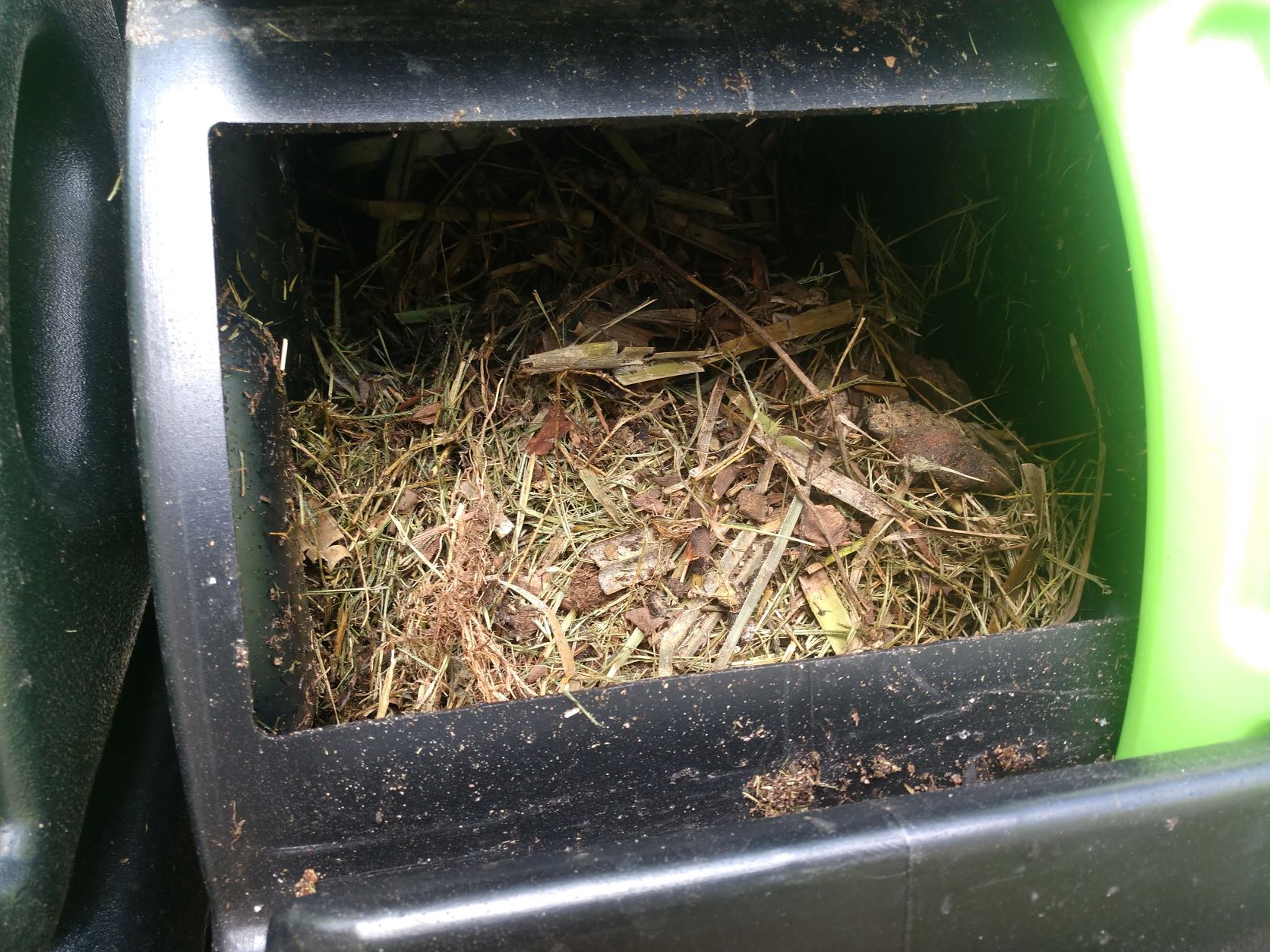
 

Even office paper and used paper towels can be composted, as long as they're not greasy, so the home office shredder gets emptied into the compost bin as well.  Give each tumbler a few turns every few days to keep them aerated and mixed.  In the end, fresh compost for the garden!


These two bins together are only 37 gallons, so it's not really enough capacity to compost everything we clip out of the yard, but it's a good start, and the stuff that goes through the chipper can also just go right on the ground like it is for mulch.


Much more fun than throwing all that stuff in the dumpster.


Wednesday, August 4, 2021

Henry is like an armadillo


When you're driving down the road, armadillos don't see you coming and they're not very fast.  When they realize you're right over them, you've straddled them with your wheels, they don't freeze, they leap.  That doesn't usually end well for the armadillo.


Henry, sleeping in the hallway, doesn't hear us coming.  At the exact moment we're stepping over him, it's absolutely certain that he's going to suddenly realize we're there and leap, knocking himself out on the oil pan.


Tuesday, August 3, 2021

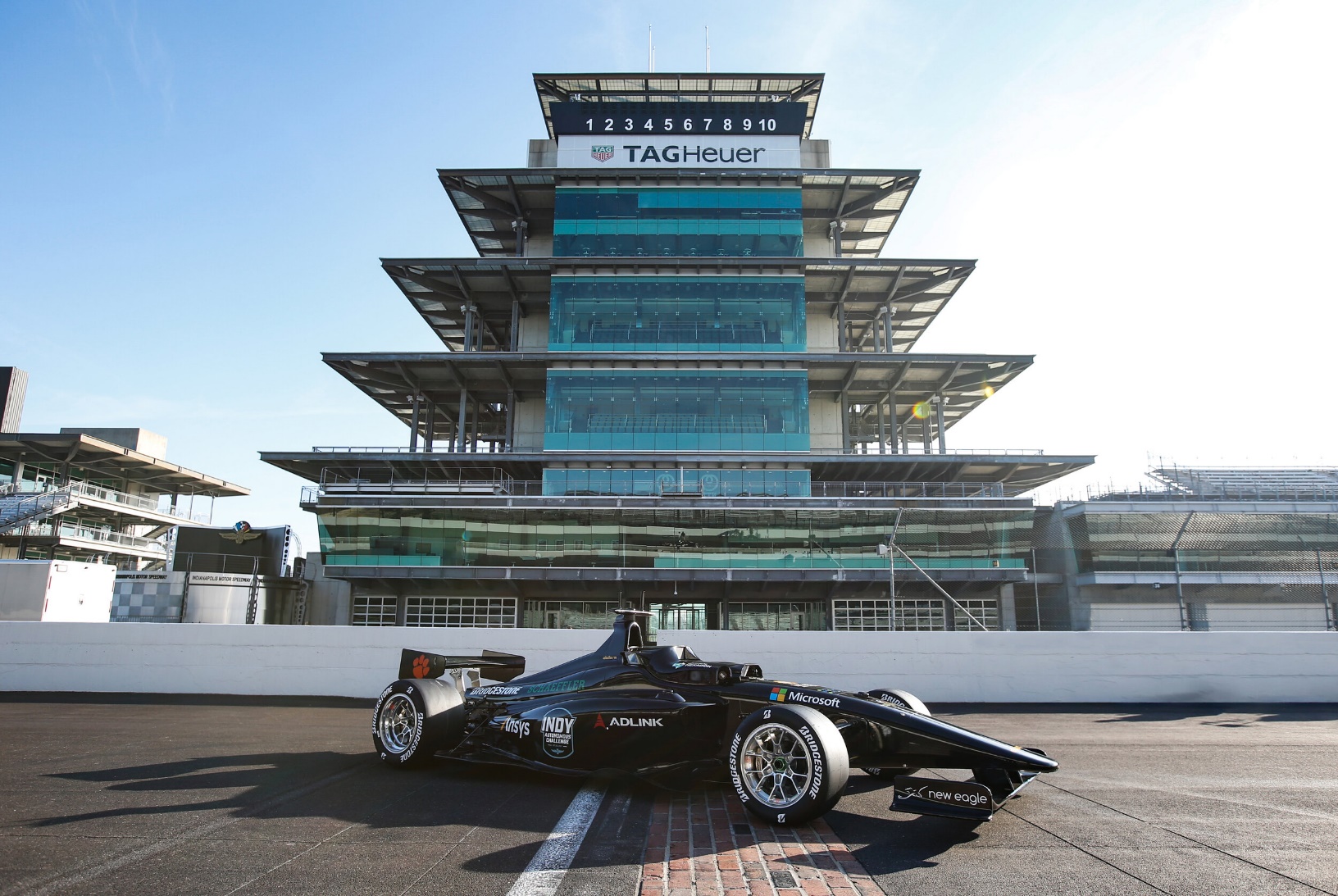
Indy Autonomous Challenge


https://www.indyautonomouschallenge.com/


"Program a legitimate Indy Car to out-race and out-maneuver fellow innovators in the world's first head-to-head, high-speed autonomous race at the Indianapolis Motor Speedway."


A one million dollar prize to the first team to cross the finish line in 25 minutes or less in a head-to-head, 20-lap race of automated racecars around the Indianapolis Motor Speedway oval.  Totally automated driverless cars all together at once, at speeds up to 200 mph, racing each other for a million dollars.  What could possibly go wrong?


Watch for it October 23rd.